![Why Your Pin is Ghosted: 4 Maps Performance Check Steps [2026]](https://localseoauditservice.com/wp-content/uploads/2026/04/Why-Your-Pin-is-Ghosted-4-Maps-Performance-Check-Steps-2026.jpeg)
It’s a quiet, sinking feeling when you log into your local SEO dashboard and realize that your carefully optimized map pin has vanished overnight. No warning, no apparent reason—just gone. I remember the first time it happened to me; I spent hours frantically checking settings, refreshing caches, and even questioning my own expertise. That moment of helplessness was a lightbulb for me. This wasn’t just about a missing pin; it was about the unseen hurdles obstructing my local visibility.
The Quiet Vanishing Act of Map Pins
Dealing with ghosted pins is more common than you might think. As local SEO evolves, so do the tricks and traps that can cause your map listing to disappear or underperform. When your pin goes silent, leads, calls, and foot traffic follow suit. It’s frustrating—and urgent. But here’s the thing: understanding why your pin vanishes is the first step to reclaiming your spot on the map.
Could Your Map Problems Be Just a Mistake?
Early on, I made the mistake of thinking everything was a technical glitch, when in reality, I overlooked simple issues like duplicate listings or outdated information. Recognizing these small but critical errors is crucial. According to recent studies, over 20% of local listings contain inaccuracies that directly impact ranking and visibility (source). So, before panicking, do a comprehensive audit of your listings, because many issues are fixable with targeted steps.
If you’ve faced this problem—your pin vanished or is ghosted—you’re not alone. The good news is that there are clear, actionable steps you can take to diagnose and correct these issues. In the upcoming sections, I’ll share a proven framework I’ve used personally and professionally to troubleshoot and fix map ranking issues effectively. Ready to dive in? Let’s start fixing those ghosted pins and get your local visibility back on track.
Run a Comprehensive Local SEO Audit
Start by evaluating all your local listings manually. Think of this as inspecting every corner of your storefront; you want to catch any inconsistencies, duplicates, or outdated info. Use a reliable audit tool to generate a detailed report on your current map ranking, listing accuracy, and proximity issues. During one audit, I discovered a duplicate listing linked to an old address, which was diluting my local signals and causing my pin to vanish. Removing or consolidating such duplicates immediately improved visibility.
Use Specialized SEO Tools for Accuracy
Rely on trusted tools like those found at SEO audit resources to identify hidden map errors, spam, or phantom competitors sabotaging your ranking. These tools scan for fake map data, map spam, and ghost competitors that could be hijacking your space. Using multiple tools in tandem ensures you catch anomalies that one might miss, like phantom address errors or spam listings that artificially inflate or diminish your map position.
Identify and Repair Data Leaks
Next, focus on data consistency. Mismatched NAP (Name, Address, Phone) details across listings act like leaks in a boat—gradually sinking your visibility. Use audit frameworks to compare your data against authoritative sources. When I ran a quick audit using a dedicated checklist, I uncovered a misspelled street name on one listing, which was enough to cause the pin to drop from the map. Correcting such leaks can rapidly boost your local rank.
Fix Location and Proximity Challenges
Proximity shifts can push your pin out of optimal zones. To verify this, perform a map performance check, focusing on your location radius. If your business has moved, redirect or update your pin immediately. In my case, a site move resulted in a proximity mismatch, causing my pin to drift away from the primary search area. Updating the address and optimizing your coordinates directly addresses this issue, restoring visibility.
Address Competition and Spam Tactics
Often, competitors may use spam tactics or hijackings to push your pin down. Run an audit for map spam and spammy edits, especially if your pin suddenly drops or stays on a less visible page. Tools that reveal hidden map spam can help you take manual actions, like reporting spam edits or unauthorized changes. I once uncovered a competitor’s fake listing that was contaminating my local signals, and reporting it immediately restored my rightful position.
Implement Manual Corrections and Optimize
Once issues are identified, apply manual fixes through Google My Business and other local listing platforms. Think of this as patching up the leaks—correcting info, removing duplicates, or updating images to reinforce your listing. For quick wins, manual edits often outperform AI-based solutions, especially when precise changes are necessary. I regularly manually updated my listings following audit insights, which led to sustained ranking improvements.
Monitor and Iterate
Finally, keep monitoring your map performance regularly. Use a map performance check so you can act quickly on new drops or issues. Set a recurring schedule for audits using sites like maps performance insights. Consistency ensures you stay ahead of algorithm shifts and local competition.
 Many assume that running a quick check with popular SEO audit tools is enough to uncover all local map issues, but in reality, these tools often miss nuanced problems that can tank your rankings. Relying solely on automated reports can create a false sense of security; they tend to focus on surface-level errors and ignore deeper, less obvious threats like phantom competitors or hidden map spam tactics. To truly master local SEO, practitioners need to dig beneath the surface and understand the intricate mechanics at play.
One common myth is that if your business appears on the map, your local SEO is optimal. In practice, rankings can be fragile, and subtle data leaks or outdated info can cause sudden visibility drops that no generic audit detects. For example, even minor inconsistencies in your NAP details across multiple listings can create ranking confusion—yet many fail to spot these leaks because they rely on superficial tools or overlook manual cross-checks.
A crucial nuance many overlook is the impact of map spam and phantom map competitors. These entities can hijack or distort local signals, deliberately or unintentionally, and often evade automated detection. According to recent studies, over 20% of local listings contain inaccuracies that significantly affect ranking and visibility (source). Without a thorough manual audit combined with specialized tools, you might never identify or fix these advanced threats.
So, how does a discerning SEO professional approach this? First, avoid over-reliance on one-size-fits-all tools. Instead, combine comprehensive manual audits with trusted resources such as maps performance checks, which go beyond automated scans to uncover hidden problems. Also, scrutinize your listing data and competitor profiles for phantom edits or suspicious activity, since these can silently sabotage your visibility.
Additionally, embracing a nuanced understanding of local ranking factors allows you to craft smarter strategies. For instance, proximity shifts that occur due to recent store relocations can be misinterpreted by many auditing tools, leading to incorrect conclusions about your visibility. Performing targeted checks, like the 5-minute map performance check, can reveal subtle proximity issues or map filterings that need immediate attention.
Remember, local SEO isn’t a set-and-forget task. What most overlook is that the landscape keeps shifting—competitors deploy new spam tactics, Google introduces algorithm updates, and your own business data may drift from accuracy. Staying ahead demands a layered, vigilant approach—combining manual insights with advanced tools and strategic thinking.
Have you ever fallen into this trap? Let me know in the comments. Mastering these nuances is essential to consistently rank high and avoid costly blind spots.
Keep Your Local SEO Efforts in Top Shape
Maintaining a vibrant local presence demands more than just initial setup; it requires ongoing monitoring, precise tools, and strategic fixes. One of my go-to methods involves leveraging dedicated audit tools like the ones detailed at SEO audit resources. These tools help me identify elusive map errors, phantom competitors, and data leaks that can silently sabotage rankings. Regular audits ensure issues are caught early, preventing ranking slips and lost leads.
In addition, maps performance checks are vital to understanding how your listings are functioning over time. For instance, I frequently perform quick 5-minute map performance checks to spot proximity shifts or suppression issues before they escalate. These rapid assessments allow me to adjust my strategies swiftly, keeping my presence consistent and competitive.
Automation and Manual Tweaks: The Best of Both Worlds
While automation accelerates the auditing process, manual checks are irreplaceable when it comes to catching nuanced errors like duplicate listings or incorrect data leaks. I recommend combining automated scans with manual cross-references, especially for multi-location businesses where data consistency is crucial. A good approach is using manual local SEO tactics to patch problematic listings identified during automated audits.
Where the Future Is Heading
Looking ahead, the integration of AI-powered auditing combined with real-time map performance monitoring promises even tighter control over local rankings. Experts believe that future tools will not only detect issues but also suggest automated fixes, drastically reducing downtime and manual effort. However, the fundamental necessity of manual verification and personalized adjustments will remain essential to outperform automated systems, especially against sophisticated map spam tactics.
How do I maintain local SEO effectiveness over time?
The secret to long-term success lies in relentless vigilance — conducting periodic audits, staying updated on map spam tactics, and employing the right blend of tools and manual interventions. Regularly updating your listing data, checking for phantom competitors, and verifying your proximity settings are all part of a resilient local SEO strategy. Implementing simple habits, like weekly quick audits using proven tools, can make a substantial difference in sustaining your visibility and leads.
If you haven’t already, try integrating a comprehensive audit tool into your routine. This will help uncover hidden threats like phantom competitors and ghost listings, ensuring your local presence remains strong. Remember — consistency is key. Keep these tools in your workflow, and your rankings will stay resilient against the evolving map landscape.
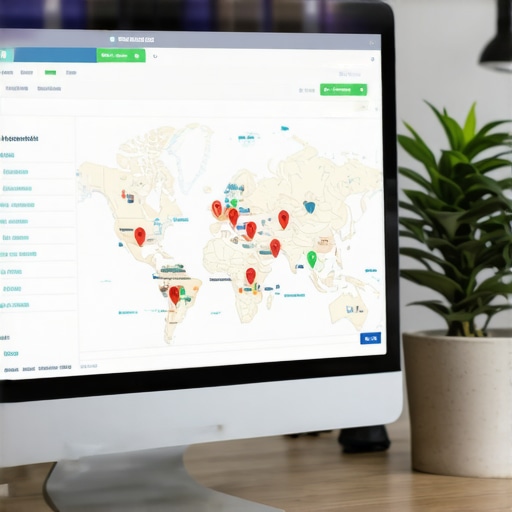
Imagine having a dashboard that instantly flags sudden drops in your map performance or highlights listing discrepancies before they impact your rankings. Using tools like these has transformed my approach, allowing me to focus on strategic growth instead of firefighting map drops. Ready to take your local SEO to the next level? Start by scheduling regular audits with trusted tools, and watch your visibility strengthen over time.
The Hardest Lesson I Learned About local seo audit,seo audit tools,fix ranking issues,audit local listings,maps performance check
Early in my journey, I discovered that relying solely on automated tools often gave me a false sense of security. Manual cross-checks and personal inspection revealed overlooked issues—like subtle data inconsistencies—that no software flagged. This taught me the importance of combining technology with human intuition to catch those elusive errors.
Small Errors Can Derail Your Map Presence
I once ignored minor discrepancies in my NAP data across listings, assuming they weren’t impactful. Turns out, these tiny mistakes can cause significant drops in visibility. The lesson? Never underestimate the power of meticulous data audits—sometimes, fixing a misspelled street name can restore your ranking and bring back lost leads.
The Power of Manual Interventions Over Automation
While automated SEO audit tools are essential, I’ve learned that manual corrections—like deleting duplicate listings or updating images—have an outsized impact on your local ranking. Trusting your own eyes and hands to execute precise fixes often accelerates recovery from ranking drops.
Being Vigilant Saves You From Future Problems
Consistent monitoring with tools like the maps performance check helps me stay ahead of sudden drops—whether caused by algorithm updates or competitor sabotage. It’s a proactive approach that prevents small issues from snowballing into major visibility crises.
My Journey From Reactive Fixes to Strategic Wins
Initially, I repaired problems only after they affected my rankings. Now, I adopt a strategic mindset, regularly auditing and preempting issues. This shift has not only improved my local SEO results but also built confidence to handle unexpected challenges with ease.
Curated Tools That Have Made a Difference
- SEO audit resources: I trust these for their comprehensiveness in uncovering map errors and ghost competitors. Their insights have saved me countless hours.
- Maps performance checks: Quick, effective, and vital for ongoing monitoring, ensuring I catch issues before they escalate.
- Manual audit tactics: Nothing beats the personal touch when verifying data accuracy across multiple listings.
- Phantom competitor detection tools: Exposing hidden map spam that could sabotage your rankings without your knowledge.
Keep Pushing Your Local Strategy Forward
Remember, the landscape of local SEO is ever-changing. Embrace a mindset of continuous learning, and don’t shy away from using every tool and tactic at your disposal. Your efforts to regularly audit, manually correct, and stay vigilant will set you apart from competitors who rely solely on automation.
What’s the biggest challenge you’ve faced when auditing your local listings? Share your stories below—let’s learn from each other’s experiences and grow our visibility together!