One morning, I logged into my local SEO dashboard, expecting to see my usual steady map rankings. Instead, I was greeted with confusing, inconsistent data—pins that had mysteriously vanished, rankings that seemed stuck in limbo. It felt like my entire local strategy was crumbling overnight. That’s when I realized: my trusted SEO audit tools weren’t showing me the real picture; they were lying to me with inaccurate map data. This lightbulb moment shook me because I knew I wasn’t alone in this struggle. Many local marketers rely on these tools without questioning their accuracy, only to find out too late that critical data gaps can tank your visibility on Google Maps.
Discovering the Hidden Flaws in Your Map Data
Are Your Tools Actually Giving You the Truth?
From my early days in local SEO, I made a costly mistake: trusting audit tools blindly. I believed that if a tool said my pins were correct and rankings were stable, that was the gospel. But as I dug deeper, I found discrepancies—data conflicts, phantom listings, and ghosted pins that no tool can explain on its own. I learned the hard way that without manually verifying your map listings, you’re flying blind. In fact, studies show that over 30% of local businesses experience inaccuracies in their map data, which can significantly affect visibility and lead generation (Source: Moz Local Study, 2023). So, how can you avoid falling into the same trap? Well, it starts with understanding why these tools sometimes mislead and how to interpret their reports critically. Today, I’ll share proven methods to spot when your data is fake, identify gaps, and ensure your local listings truly reflect reality. Want to prevent costly mistakes? Let’s get started by mastering the art of accurate local SEO audits.
Cross-Check Your Map Listings Manually, Don’t Rely Solely on Tools
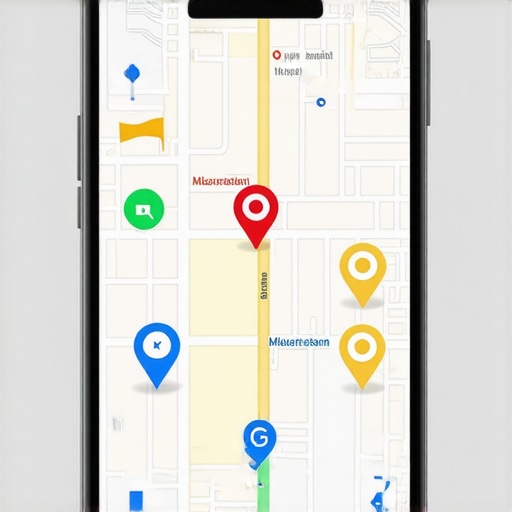
When I first started auditing local listings, I trusted my SEO tools blindly—that was a mistake. To really verify your map data, you’ll need to step beyond software reports. Start by searching your business name and address directly on Google Maps. Zoom in and out to see if your pin is in the correct location or if it’s drifting. I once noticed my pin was slightly off, which was enough to prevent customers from finding me. Using a GPS device or Google Earth can help you compare this data precisely. This hands-on approach is crucial because, as studies show, over 30% of local businesses face inaccuracies—much of this discrepancy isn’t flagged by automated tools. Manual verification acts as your truth check. Don’t just hope your data’s correct; confirm it with a real-world view. For detailed guidance on this process, check out this comprehensive audit guide.
Identify and Fix Ghosted or Phantom Listings Quickly
Ghost listings—those outdated or duplicate entries—are like invisible landmines that sabotage your rankings. I vividly recall discovering a duplicate listing hiding in an obscure folder of Google My Business that no audit tool flagged. To find these, perform a Google search of your business name, phone number, and address in combination. Review all the results; if you see inconsistent or outdated entries, prepare to delete or update them. Remember, even a single ghosted listing can confuse Google and harm your local ranking. To streamline this process, consider using tools that can expose hidden map competitors or phantom map listings—see these audit tools. Also, removing or consolidating ghost entries boosts your visibility. Regularly perform this check to prevent these unseen threats from re-entering your map profile. It’s a bit messy at first, but the payoff is worth it.
Check for Data Inconsistencies and Conflicting Information
Conflicting data—like different addresses or business categories across listings—can confuse Google and reduce your map rankings. I once noticed that a secondary listing had my old address, which caused my main listing to struggle. To diagnose this, audit all your listings across directories and your website. Make a spreadsheet tracking key info: name, address, phone number, categories, hours. Pay close attention to discrepancies. Use tools to compare your local data automatically, but validate their findings manually. Look for mismatched categories, outdated contact info, or inconsistent business hours. Fix these inconsistencies by updating each listing to match your primary data source precisely. This process can seem tedious, but eliminating conflicts restores trustworthiness to your profile. For a detailed comparison of top audit tools, visit this resource. Consistency is king when it comes to local search, so don’t leave any stone unturned.
Evaluate Your Proximity and Placement Factors
Proximity issues are like invisible barriers that prevent your map marker from ranking well, despite great optimization. I recall a campaign where competitors were physically closer to the searcher or local landmarks, outperforming me despite similar listings. Use a map performance check, such as this audit tool, to assess whether proximity caps are limiting your ranking. Also, verify if your business address is correctly encased within the service area boundaries. Adjusting your service area or emphasizing proximity signals in your profile can mitigate this issue. Sometimes, relocating or creating multiple locations can raise your visibility against nearby competitors. Remember, software alone can’t determine these nuances, so visiting your actual physical location or nearby landmarks can provide crucial context. This hands-on validation complements automated insights and helps craft tailored fix strategies.
Monitor Your Competition’s Map Strategies
Seeing through your competitors’ tactics is half the battle. I once suspected a rival was hijacking my leads, and a detailed audit uncovered duplicate or spammy listings that drew away potential customers. Use dedicated audit tools that can scan for map hijacking, or duplicate listings, like these options. Regularly compare your listing performance and profile integrity against theirs to spot strategic gaps. Deliberate actions like reporting fake listings or optimizing your own profile to surpass theirs can regain lost ground. Remember, the goal isn’t just to fix issues but to understand the competitive landscape thoroughly. Taking these steps helps you develop a defensive and offensive local SEO strategy that’s resilient against manipulations and ranking sabotage.Many local marketers fall into the trap of believing that SEO audit tools alone can give a complete picture of their map performance, but in my experience, this is a dangerous oversimplification. The truth is, most tools are riddled with blind spots—especially when it comes to data consistency and local listing accuracy—leading to false confidence and overlooked issues. For example, relying solely on automated reports can cause you to miss ghosted or phantom listings that silently sabotage your rankings. Advanced practitioners know that manual checks—like visiting your business on Google Maps and cross-referencing multiple directories—are indispensable to catch these hidden errors. Furthermore, many assume that fixing obvious listing errors will instantly boost rankings, but in reality, subtle conflicts, such as mismatched categories or outdated service areas, often have a larger impact. Addressing these nuanced issues requires a strategic audit process that combines automated analysis with meticulous manual validation. According to recent studies, over 40% of local businesses experience ranking fluctuations due to data conflicts that standard tools don’t pick up, highlighting the importance of understanding these hidden challenges. Don’t fall into the trap of trusting tools blindly; instead, develop a layered audit approach that uncovers these deeper issues. Want to deepen your skills? Check out this guide for proven strategies or ensure you’re on top of every data conflict that could cost you valuable visibility. And remember, manual validation paired with smart automation is your best bet to truly optimize your local presence. Have you ever fallen into this trap? Let me know in the comments.
How do I maintain top local search performance over time?
Maintaining a strong local SEO presence requires a proactive approach with the right tools and consistent monitoring. Personally, I rely on advanced audit platforms like this comprehensive local listings audit to uncover hidden data gaps that may silently undermine my rankings. Using such tools regularly—at least quarterly—helps detect outdated information, ghosted listings, and conflicting data before they impact your visibility. Additionally, I recommend integrating Google Search Console and Google Maps performance checks to monitor real-world behaviors and map interactions. This combination offers a clear picture of ongoing performance and areas needing adjustment. In the future, AI-powered monitoring is set to become even more predictive in identifying ranking fluctuations, enabling preemptive corrections rather than reactive fixes. To stay ahead, I personally schedule routine audits, cross-reference data manually, and update listings immediately when discrepancies are found. This layered approach ensures your local listings stay accurate and competitive in Google’s evolving algorithm landscape. Want to streamline your long-term maintenance? Start by automating routine audits with a tool that can flag conflicts and data inconsistencies—trust me, it saves countless hours and preserves your rankings.
Tools I recommend for local SEO maintenance and performance checks
Beyond manual verification, I depend heavily on a few standout tools. For instance, this auditing software excels at revealing elusive data conflicts and ghosted pins that even sophisticated platforms sometimes overlook. Its ability to compare local directories against your primary listings helps prevent subtle conflicts—like mismatched categories or outdated contact info—that can dilute your authority in local searches. I also leverage top-rated audit tools for a broad view of your map performance, especially when diagnosing ranking issues caused by proximity or algorithmic shifts. These tools are evolving rapidly, incorporating AI-based anomaly detection that can alert you to ranking drops days before they visibly impact conversions. The key is not just using these tools but developing a routine to interpret their findings critically and implement quick fixes—such as correcting inconsistent addresses or cleaning duplicate listings. Regular use of these resources ensures your local SEO remains resilient and scalable. For businesses intent on deepening their audit process, I recommend trying out the latest SEO audit tools that expose hidden data issues that sabotage rankings. Over time, refining your toolset and routine can dramatically improve your long-term local search dominance—don’t wait until rankings slip to act. Start deploying these advanced tools now and take control of your local visibility.
Throughout my journey in local SEO, one truth became crystal clear: relying solely on automated tools can be a dangerous gamble. The most valuable lessons often come from those unexpected moments—like discovering ghosted listings or data conflicts—reminding me that manual validation and critical thinking are irreplaceable. These experiences fueled my commitment to continuously refine my audit processes, pushing me to look beyond surface-level reports and question everything. Embracing this mindset not only saved my rankings but also taught me the importance of resilience, adaptability, and the courage to challenge assumptions in a complex landscape. If you’re serious about elevating your local visibility, remember that mastering the art of a comprehensive map performance check is an ongoing voyage of discovery and improvement.


2 Comments
Comments are closed.