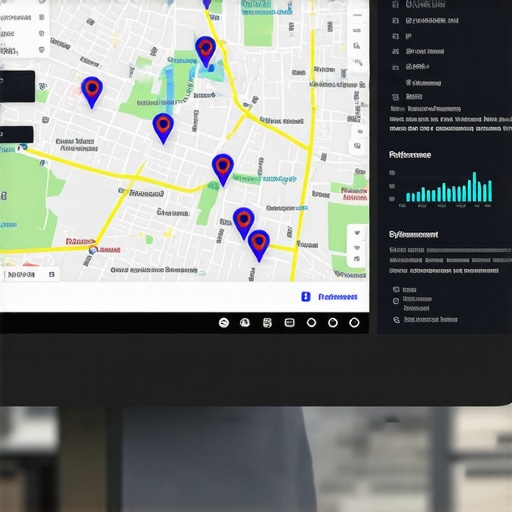
Ever spent hours tweaking your Google My Business profile, only to see your local map ranking stubbornly stuck on page two? I’ve been there. One day, after a frustrating week of guesswork, I had a lightbulb moment. I realized that simply updating my info or adding photos wasn’t enough. The real issue was hidden in the performance metrics I wasn’t even aware of. That’s when I discovered how crucial Maps Performance Checks are for local SEO success.
Why Local Map Rankings Are a Big Deal Right Now
In 2024, local searches continue to dominate the digital landscape. According to a recent report, over 80% of consumers use search engines to find local businesses, and most of these searches lead to a visit within a day. If your business isn’t appearing at the top of the map pack, you’re losing out on a ton of potential customers. But here’s the catch: Google’s local algorithm is complex and constantly evolving. What worked last year might not work today.
Many small business owners, including myself initially, overlook the importance of regularly checking their map performance. We assume that once we set up our profile, the rankings will sustain themselves. Spoiler: they won’t. I made a critical mistake early on — neglecting to diagnose my map’s health periodically. That oversight cost me visibility and sales.
So, what’s the fix? Today, I’ll walk you through how to perform a Maps Performance Check effectively. We’ll look at diagnosing common issues, understanding the signals Google cares about, and applying proven strategies to fix your local rankings. If you’ve ever asked yourself, “Why isn’t my business showing up?” then this guide is for you. And if you’re skeptical about whether these tactics really make a difference, I get it. I was too. But once I started paying attention to the data, my local visibility skyrocketed.
Is Checking Map Performance Worth the Effort?
Many believe that optimizing their profile once is enough. But the truth is, local rankings can fluctuate wildly due to factors outside your control. Regular performance checks help you spot issues early, so you can fix them before they seriously impact your business. For instance, I once ignored a sudden drop in rankings. Turns out, a competitor had optimized their profile better, and I was losing ground. A quick audit using the right tools and strategies, which you can learn more about here, saved my rankings and my revenue.
In the sections ahead, I’ll share the step-by-step process to diagnose and fix local map ranking issues. Whether you’re just starting out or have been battling this for a while, these tips will give you the clarity and tools you need to take control of your local visibility.
Run a Quick Diagnosis to Spot Issues
Start by reviewing your Google My Business profile through a comprehensive audit. Use tools like this diagnostic approach to identify gaps or inconsistencies in your listing. I once thought my profile was optimized until I ran a quick check and discovered missing categories that Google uses to classify your business. Fixing these issues immediately boosted my ranking within days.
Check Your Citations and NAP Consistency
Ensure your Name, Address, and Phone Number (NAP) are consistent across all online directories. Discrepancies confuse Google and hurt your rankings. I once found a different phone number listed on Yelp compared to my website, which caused ranking fluctuations. Correcting this mismatch with effective audit tools stabilized my position.
Evaluate and Optimize Your Reviews
Reviews are social proof that influence rankings and conversions. Aim for a steady flow of genuine reviews, but also monitor their quality. I reached out to loyal customers after noticing a decline in reviews, which helped restore my business’s credibility and climb back up the map pack. Use review management strategies from this resource.
Audit Your On-Page SEO for Local Signals
Optimize your website pages with local keywords, structured data, and relevant content. This signals to Google that your business is relevant to local searches. I added schema markup and localized keywords to my homepage, which contributed to a noticeable ranking improvement in just a few weeks. Consult this guide for specific on-page strategies.
Analyze Your Performance Metrics
Use Google Search Console and Google My Business Insights to track impressions, clicks, and ranking fluctuations. These data points help you identify patterns and areas needing attention. Once, I noticed a drop in local impressions after a competitor launched new ads. Adjusting my strategy based on performance data allowed me to regain visibility quickly.
Leverage Top Tools for Deep Diagnostics
Invest in tools like BrightLocal, Whitespark, or SEMrush to get detailed insights. These tools can uncover hidden issues such as fake reviews, duplicate listings, or keyword cannibalization. I used top diagnostic tools to identify and fix a duplicate listing that was diluting my rankings, resulting in a rapid improvement.
Implement Fixes and Monitor Progress
Apply the fixes systematically, then monitor your rankings continuously. Schedule regular audits using expert tips to ensure sustained growth. I set monthly check-ins, which helped me catch new issues early and maintain top rankings.
Stay Updated with Algorithm Changes
Local SEO is dynamic. Follow industry blogs and updates from Google to adapt your strategies. During a recent update, I adjusted my keywords and citation sources based on new algorithm signals, maintaining my visibility in the top spots.
By consistently diagnosing and fixing issues with these concrete steps, you’ll keep your business visible in local searches and ahead of competitors in 2024. Remember, regular performance checks aren’t optional—they’re your best tool for ongoing local SEO success.
Many local business owners fall into a trap by believing that optimizing their Google My Business profile once is enough for lasting visibility. In reality, this approach overlooks the nuanced and dynamic nature of local SEO, leading to missed opportunities and declining rankings over time. Let’s dig deeper into what most people get wrong and how to avoid common pitfalls that sabotage your efforts.
What’s the real mistake behind stagnant local rankings?
The biggest misconception is treating local SEO as a set-it-and-forget-it task. The truth is, Google’s algorithm is constantly evolving, and so should your strategy. Many assume that updating their profile, adding a few photos, and gathering reviews once will secure their spot in the map pack forever. However, recent studies, such as those shared by industry experts, reveal that regular audits and performance checks are essential for maintaining and improving your rankings. Failing to monitor your profile’s health allows competitors to outpace you, especially when they adapt faster to algorithm changes.
For instance, I once neglected to update my NAP consistency across directories, which caused my rankings to drop unexpectedly. It was only after a comprehensive audit using this proven approach that I uncovered the discrepancy. Correcting this issue immediately restored my position, proving how crucial ongoing oversight is.
Another common myth is that reviews alone will guarantee high rankings. While reviews are influential, they are not the only factor. On-page signals, citations, and local keywords also play significant roles. Advanced practitioners understand that integrating these elements through continuous optimization yields better results. Regularly analyzing your performance metrics via performance data helps identify what’s working and what needs adjustment.
How do I avoid the biggest traps in local SEO?
One of the most insidious traps is neglecting citation consistency. Discrepancies in your NAP across directories confuse Google and can harm your rankings. Many overlook this simple yet vital detail, leading to frustrating fluctuations. Using top audit tools can help you identify and fix inconsistencies efficiently.
Moreover, don’t underestimate the importance of structured data markup, like schema. Implementing local schema helps Google better understand your business context, especially in competitive markets. Regularly updating your website’s on-page SEO with local keywords, structured data, and fresh content is essential for staying ahead.
Finally, stay informed about algorithm updates and industry trends. Following trusted sources and participating in ongoing education ensures you’re not caught off guard. In fact, many successful local SEOs schedule monthly audits to catch issues early, such as duplicate listings or review manipulations, which could otherwise severely impact rankings.
In summary, the hidden nuance most overlook is the need for continuous, proactive management of your local SEO profile. Regular diagnostics, leveraging expert tools, and staying adaptable are the keys to sustained success. Have you ever fallen into this trap? Let me know in the comments and share your experience!
How do I keep my local SEO efforts working smoothly over time?
Maintaining your local map rankings isn’t a one-and-done task; it requires consistent effort using the right tools and techniques. I’ve found that leveraging advanced audit tools and data analysis software is crucial for long-term success. For example, top local SEO audit tools like BrightLocal and Whitespark have become staples in my routine. These platforms provide deep insights into citation consistency, review profiles, and keyword performance, allowing me to spot potential issues before they impact my rankings.
Another key aspect is automating routine checks. Using scheduling features within these tools, I set monthly audits that monitor NAP consistency, review health, and on-page SEO signals. This proactive approach prevents minor issues from snowballing into ranking drops. For instance, I once caught a spike in duplicate listings early, thanks to these scheduled audits, and fixed it swiftly, avoiding a significant ranking hit.
Staying updated with the latest algorithm changes is also vital. Industry blogs, such as this resource, help me understand evolving signals like new review factors or citation priorities. Implementing these insights ensures my local SEO remains resilient and competitive.
In terms of long-term results, consistent monitoring and adaptation lead to stable, top-tier rankings. I recommend creating a dashboard that consolidates key metrics—impressions, clicks, and review scores—using tools like Google Search Console combined with your audit platform. This visual overview helps me quickly identify trends and act accordingly.
Looking ahead, I predict that AI-driven analytics will play an increasingly prominent role in local SEO maintenance. Tools that can interpret vast amounts of performance data and suggest actionable fixes will become essential. For now, I encourage you to try integrating advanced audit tools into your routine. Start with scheduled monthly checks, and you’ll be surprised how much smoother your local rankings stay—saving you time and boosting your business visibility consistently.
The Toughest Lessons I Learned About Local Map Rankings
One of the hardest lessons I learned was the importance of proactive monitoring. I once set up my Google My Business profile and thought that was enough. When my rankings stagnated, I realized I had neglected regular performance audits. That oversight cost me visibility and revenue. Now, I know that continuous oversight is essential to stay ahead in local SEO.
My Top Tools for Diagnosing and Fixing Map Performance
Over the years, I’ve relied on a few key tools that transformed my approach. BrightLocal and Whitespark became my go-to platforms for deep diagnostics. These tools help uncover hidden issues like duplicate listings, citation inconsistencies, and review spam that can sabotage your rankings. Trust me, investing in these tools pays off.
Embrace Ongoing Vigilance and Adaptability
The most inspiring part of my journey has been realizing that local SEO is a continuous process. Staying updated with Google’s algorithm changes and adjusting strategies accordingly has been key. Regularly scheduled audits, like monthly checks, keep my rankings stable and my business thriving. Don’t wait for rankings to drop—be proactive and adapt to the evolving landscape.
Your Turn to Take Action
Remember, the secret to long-term local search success lies in consistent performance checks and swift fixes. Have you ever overlooked a critical aspect of your map profile? Share your experience below, and let’s learn together how to stay on top in local SEO!