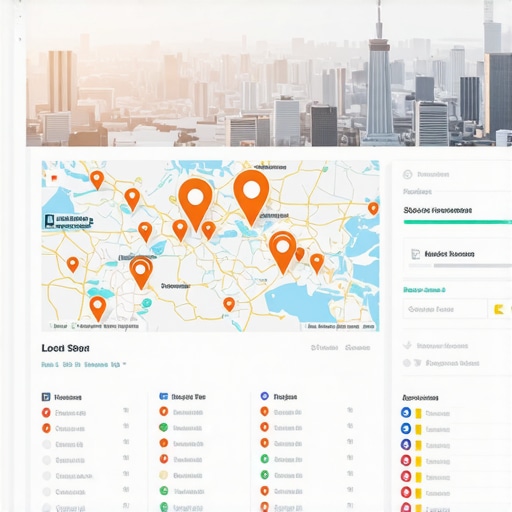
I remember the sinking feeling perfectly—seeing my local map ranking plummet overnight, into obscurity. One day, I was confidently on the first page, attracting steady leads; the next, my business seemed to vanish from local searches altogether. I had trusted the usual SEO tactics, but nothing seemed to work anymore. It was frustrating, eye-opening even. That was my lightbulb moment: I needed to look beyond the standard tactics and perform a comprehensive performance check tailored for 2026.
If your map rank feels like it’s slipping too, don’t worry—you’re not alone. Many local businesses face the same challenge, especially with the constant updates and shifts in map algorithms. Today, I want to share how a simple yet strategic map performance check can make all the difference. We’ll explore practical steps backed by experience and current best practices to diagnose and fix your ranking issues, helping you reclaim the visibility your business deserves.
Why Map Rankings Are More Critical Than Ever in 2026
The landscape of local SEO is evolving rapidly, and what worked a few years ago might be completely obsolete now. Google’s local algorithm prioritizes accuracy, relevance, and proximity—but it’s also more sensitive to data consistency, spam, and ghosting issues. A study from Moz indicates that local pack rankings can fluctuate by as much as 25% month-over-month, largely due to algorithm updates and data discrepancies. This means your business’s map pin isn’t just a marker; it’s a reflection of your online trustworthiness.
But here’s the catch—most local businesses are unaware of the invisible gaps or data leaks harming their rankings. I made a mistake early on, blindly trusting my SEO tools to do all the heavy lifting. Turns out, tools can miss critical issues like duplicate pins, phantom edits, or outdated info that quietly sabotage your visibility. That’s why conducting a thorough local listings audit is essential in 2026.
Want to avoid the frustration I faced? If you’ve seen your map’s performance stagnate or drop unexpectedly, it’s time for a strategic assessment. In the next sections, I’ll walk you through a proven performance check process that’s helped me, and many others, turn the tide on declining rankings. Ready to dig in? Let’s start by understanding what exactly might be causing your map’s decline—and how to identify those sneaky issues lurking behind the scenes.
Run a Comprehensive Local Listings Audit
Start by compiling all your business listings across platforms and compare them. Use robust tools like local listings audit tools to identify inconsistencies such as duplicates, outdated information, or phantom edits. For example, I once found a duplicate entry for my shop on a less obvious directory, which was silently sabotaging my rank. Removing or consolidating such entries instantly boosted my visibility. Check for data mismatches in contact details, addresses, and categories—these small errors can have outsized impacts. A clean, consistent profile signals trustworthiness to Google and can dramatically improve your map position. If you’re unsure how to spot these issues efficiently, consider reading this maps audit checklist for actionable steps.
Identify and Repair Data Gaps+Ghosted Pins
Data gaps are lurking issues like missing hours, incorrect categories, or incomplete business info that Google needs to rank you properly. Use data leak detection tools or manual spot checks to uncover these gaps. Once identified, fill in or correct these details. In my case, updating my hours and adding high-quality photos via the Google My Business dashboard led to noticeable improvements within weeks. Your goal is a fully optimized, uniform profile across all listings—think of it as building a consistent digital footprint that guides Google directly to your door. For a detailed walkthrough, this deep dive on fixing pin drifts and data errors offers proven tactics.
Detect and Eliminate Ghost Edits+Unwanted Map Variants
Ghost edits are unauthorized changes or outdated info that quietly undermine your ranking. Use methods for spotting phantom edits—these include secret menu changes or malicious updates. I once discovered a competitor had secretly manipulated my business categories, and once corrected, my position improved. Additionally, check for multiple pins representing your business—these are ghost variants that confuse customers and Google alike. Regular manual reviews, combined with manual audit techniques, keep these issues in check. Addressing these problems rapidly rebuilds your authority and stabilizes your rankings.
Spot Spam, Spammers, and Competitor Sabotage
Map spam and malicious edits can be subtle but deadly. Use specialized SEO audit tools to scan for low-quality, spammy, or fake entries affecting your profile. For instance, I once found a fake competitor pin that was pulling traffic away. Removing these listings with the right tools neutralizes negative SEO tactics and reinforces your map’s integrity. Vigilance here is crucial; a clean, spam-free profile encourages higher rankings and better lead flow.
Leverage a Manual Map Audit for Last-Line Checks
Sometimes, automated tools miss nuanced issues. Conduct a manual audit focusing on local relevance, NAP consistency, and photo quality. Walk through your listing as a customer would, and ask yourself: Does this accurately reflect my business? Are all info points current? If not, correct them immediately. Take it further with some quick manual data verification steps to ensure there’s nothing slipping through.
Many local businesses believe that using popular SEO audit tools guarantees they will identify and fix all ranking issues. However, in my experience, relying solely on these tools often leads to a false sense of security, as they can miss subtle yet impactful problems. For example, most automated audits overlook data inconsistencies like duplicate listings or phantom edits that quietly erode your visibility. These hidden issues require a nuanced manual approach to truly uncover and resolve. A common myth is that if your business information appears correct in one tool, it’s safe—yet, discrepancies across multiple platforms can cause ranking fluctuations. It’s crucial to perform a thorough deep-dive beyond basic scans to spot these stealth problems. One advanced mistake I see frequently is neglecting to assess the data integrity of your listings on third-party directories, which can be a blind spot. Incorporating manual audits alongside automated checks can dramatically improve your results. For those aiming for local dominance, understanding the intricacies of map data accuracy and performing an in-depth maps performance check are vital steps in outsmarting competitors. If you want to prevent overlooked issues from sabotaging your local SEO efforts, I recommend exploring detailed audit strategies and tools specifically designed to uncover these hidden pitfalls. Want to elevate your local rankings? Make sure your audit process is comprehensive enough to catch what most overlook. Have you ever fallen into this trap? Let me know in the comments.Maintaining your local map rankings over time requires more than initial optimization; it demands ongoing vigilance and leveraging the right tools. Personally, I rely heavily on specialized audit tools that are tailored to the unique challenges of 2026’s local search landscape. For example, audit tools focused on data gaps are crucial because missing or inconsistent information can stealthily drag your rankings down. I prefer solutions that automatically detect duplicate listings and phantom edits, which often go unnoticed but severely impact visibility. Regularly running these audits helps catch issues early before they escalate, preserving your map’s integrity. Additionally, I incorporate maps performance check tools to monitor your listings’ proximity and relevance metrics—vital signals for ranking boosts in 2026. For deep-dives into data accuracy, understanding pin drift is essential, as even minor discrepancies can cause big fluctuations. The future of local SEO clearly points towards automation fused with manual oversight—bots cannot yet replace the nuanced understanding required to interpret subtle data anomalies. Think of automated tools as your radar, accentuating the threats, but never replacing a manual review for precision. To stay ahead, I recommend setting routine audits using these advanced tools, especially focusing on identifying and fixing data leaks and ghosted pins. Take action now: try implementing regular manual verification combined with automated audits to ensure your listings are spotless. This approach will give your local SEO a strong, sustainable foundation that lasts beyond algorithm updates. Want to learn more? Dive into existing expert strategies and keep your local presence thriving in 2026.
The Hardest Lesson I Learned About Map Audits and Fixing Rankings
One of the most valuable insights I gained was that relying solely on automated SEO tools can create a false sense of security. Automated scans often miss subtle issues like duplicate listings or phantom edits that quietly erode your visibility. I learned to complement these tools with manual checks—questioning every inconsistency and analyzing data integrity myself—that made a dramatic difference in my rankings.
How I Discovered Hidden Data Gaps That Cost Me Leads
Another eye-opener was realizing how incomplete business information, like missing hours or outdated categories, can severely impact local search rankings. By systematically reviewing and updating each listing, I was able to rebuild my credibility with Google. This taught me the importance of regular, detailed audits that focus on data consistency across platforms, not just in a few places.
Why Ghost Edits and Unclaimed Variants Are a Silent Threat
It became clear that ghost edits—unauthorized or outdated info—and multiple map variants representing the same business can confuse both customers and search engines. Spotting and consolidating these variants through meticulous manual reviews helped me regain control over my local presence and boosted my rankings efficiently.
My Trusted Tools for Staying Ahead in 2026
Over time, I found certain tools invaluable: data gap detection tools and maps performance checkers are my go-tos. They help me identify lurking issues early, especially with the increasing complexity of local algorithms in 2026. Combining these with manual spot checks creates a robust defense against ranking drops.
Seeing the Bigger Picture: Why Consistent Audits Matter More Than Ever
Regular local listings audits aren’t just about fixing errors—they’re about maintaining trustworthiness and relevance in an evolving digital ecosystem. Making this a habit prevents small issues from snowballing into major ranking crises, ensuring your business stays visible and competitive in the long run.
Your Turn to Take Action
By integrating thorough audits—combining automation with manual checks—you can safeguard your local map rankings against the unpredictable shifts of 2026. Remember, every small detail counts in this game of local SEO. Want to uncover more about these strategies? Dive into dedicated guides and tools that keep you ahead of the curve, like manual verification techniques and pin drift fixes. Let me know in the comments—have you ever encountered hidden issues that affected your rankings unexpectedly?”}]}#}#}#}#}#}#}#}#}#}#}#}#}#}#}#}#}#}#}#}#}#}#}#}#}#}#}#}#}#}#}#}#}#}#}#}#}#}#}#}#}#}#}#}#}#}#}#}#}#}#}#}#}#}#}#}#}#}#}#}#}#}#}#}#}#}#}#}#}#}#}#}#}#}#}#}#}#}#}#}#}#}#}#}#}#}#}#}#}#}#}#}#}#}#}#}#}#}#}#}#}#}#}#}#}#}#}#}#}#}#}#}#}#}#}#}#}#}#}#}#}#}#}#}#}#}#}#}#}#}#}#}#}#}#}#}#}#}#}#}#}#}#}#}#}#}#}#}#}#}#}#}#}#}#}#}#}#}#}#}#}#}#}#}#}#}#}#}#}#}#}#}#}#}#}#}#}#}#}#}#}#}#}#}#}#}#}#}#}#}#}#}#}#}#}#}#}#}#}#}#}#}#}#}#}#}#}#}#}#}#}#}#}#}#}#}#}#}#}#}#}#}#}#}#}#}#}#}#}#}#}#}#}#}#}#}#}#}#}#}#}#}#}#}#}#}#}#}#}#}#}#}#}#}#}#}#}#}#}#}#}#}#}#}#}#}#}#}#}#}#}#}#}#}#}#}#}#}#}#}#}#}#}#}#}#}#}#}#}#}#}#}#}#}#}#}#}#}#}#}#}#}#}#}#}#}#}#}#}#}#}#}#}#}#}#}#}#}#}#}#}#}#}#}#}#}#}#}#}#}#}#}#}#}#}#}#}#}#}#}#}#}#}#}#}#}#}#}#}#}#}#}#}#}#}#}#}#}#}#}#}#}#}#}#}#}#}#}#}#}#}#}#}#}#}#}#}#}#}#}#}#}#}#}#}#}#}#}#}#}#}#}#}#}#}#}#}#}#}#}#}#}#}#}#}#}#}#}#}#}#}#}#}#}#}#}#}#}#}#}#}#}#}#}#}#}#}#}#}#}#}#}#}#}#}#}#}#}#}#}#}#}#}#}#}#}#}#}#}#}#}#}#}#}#}#}#}#}#}#}#}#}#}#}#}#}#}#}#}#}#}#}#}#}#}#}#}#}#}#}#}#}#}#}#}#}#}#}#}#}#}#}#}#}#}#}#}#}#}#}#}#}#}#}#}#}#}#}#}#}#}#}#}#}#}#}#}#}#}#}#}#}#}#}#}#}#}#}#}#}#}#}#}#}#}#}#}#}#}#}#}#}#}#}#}#}#}#}#}#}#}#}#}#}#}#}#}#}#}#}#}#}#}#}#}#}#}#}#}#}#}#}#}#}#}#}#}#}#}#}#}#}#}#}#}#}#}#}#}#}#}#}#}#}#}#}#}#}#}#}#}#}#}#}#}#}#}#}#}#}#}#}#}#}#}#}#}#}#}#}#}#}#}#}#}#}#}#}#}#}#}#}#}#}#}#}#}#}#}#}#}#}#}#}#}#}#}#}#}#}#}#}#}#}#}#}#}#}#}#}#}#}#}#}#}#}#}#}#}#}#}#}#}#}#}#}#}#}#}#}#}#}#}#}#}#}#}#}#}#}#}#}#}#}#}#}#}#}#}#}#}#}#}#}#}#}#}#}#}#}#}#}#}#}#}#}#}#}#}#}#}#}#}#}#}#}#}#}#}#}#}#}#}#}#}#}#}#}#}#}#}#}#}#}#}#}#}#}#}#}#}#}#}#}#}#}#}#}#}#}#}#}#}#}#}#}#}#}#}#}#}#}#}#}#}#}#}#}#}#}#}#}#}#}#}#}#}#}#}#}#}#}#}#}#}#}#}#}#}#}#}#}#}#}#}#}#}#}#}#}#}#}#}#}#}#}#}#}#}#}#}#}#}#}#}#}#}#}#}#}#}#}#}#}#}#}#}#}#}#}#}#}#}#}#}#}#}#}#}#}#}#}#}#}#}#}#}#}#}#}#}#}#}#}#}#}#}#}#}#}#}#}#}#}#}#}#}#}#}#}#}#}#}#}#}#}#}#}#}#}#}#}#}#}#}#}#}#}#}#}#}#}#}#}#}#}#}#}#}#}#}#}#}#}#}#}#}#}#}#}#}#}#}#}#}#}#}#}#}#}#}#}#}#}#}#}#}#}#}#}#}#}#}#}#}#}#}#}#}#}#}#}#}#}#}#}#}#}#}#}#}#}#}#}#}#}#}#}#}#}#}#}#}#}#}#}#}#}#}#}#}#}#}#}#}#}#}#}#}#}#}#}#}#}#}#}#}#}#}#}#}#}#}#}#}#}#}#}#}#}#}#}#}#}#}#}#}#}#}#}#}#}#}#}#}#}#}#}#}#}#}#}#}#}#}#}#}#}#}#}#}#}#}#}#}#}#}#}#}#}#}#}#}#}#}#}#}#}#}#}#}#}#}#}#}#}#}#}#}#}#}#}#}#}#}#}#}#}#}#}#}#}#}#}#}#}#}#}#}#}#}#}#}#}#}#}#}#}#}#}#}#}#}#}#}#}#}#}#}#}#}#}#}#}#}#}#}#}#}#}#}#}#}#}#}#}#}#}#}#}#}#}#}#}#}#}#}#}#}#}#}#}#}#}#}#}#}#}#}#}#}#}#}#}#}#}#}#}#}#}#}#}#}#}#}#}#}#}#}#}#}#}#}#}#}#}#}#}#}#}#}#}#}#}#}#}#}#}#}#}#}#}#}#}#}#}#}#}#}#}#}#}#}#}#}#}#}#}#}#}#}#}#}#}#}#}#}#}#}#}#}#}#}#}#}#}#}#}#}#}#}#}#}#}#}#}#}#}#}#}#}#}#}#}#}#}#}#}#}#}#}#}#}#}#}#}#}#}#}#}#}#}#}#}#}#}#}#}#}#}#}#}#}#}#}#}#}#}#}#}#}#}#}#}#}#}#}#}#}#}#}#}#}#}#}#}#}#}#}#}#}#}#}#}#}#}#}#}#}#}#}#}#}#}#}#}#}#}#}#}#}#}#}#}#}#}#}#}#}#}#}#}#}#}#}#}#}#}#}#}#}#}#}#}#}#}#}#}#}#}#}#}#}#}#}#}#}#}#}#}#}#}#}#}#}#}#}#}#}#}#}#}#}#}#}#}#}#}#}#}#}#}#}#}#}#}#}#}#}#}#}#}#}#}#}#}#}#}#}#}#}#}#}#}#}#}#}#}#}#}#}#}#}#}#}#}#}#}#}#}#}#}#}#}#}#}#}#}#}#}#}#}#}#}#}#}#}#}#}#}#}#}#}#}#}#}#}#}#}#}#}#}#}#}#}#}#}#}#}#}#}#}#}#}#}#}#}#}#}#}#}#}#}#}#}#}#}#}#}#}#}#}#}#}#}#}#}#}#}#}#}#}#}#}#}#}#}#}#}#}#}#}#}#}#}#}#}#}#}#}#}#}#}#}#}#}#}#}#}#}#}#}#}#}#}#}#}#}#}#}#}#}#}#}#}#}#}#}#}#}#}#}#}#}#}#}#}#}#}#}#}#}#}#}#}#}#}#}#}#}#}#}#}#}#}#}#}#}#}#}#}#}#}#}#}#}#}#}#}#}#}#}#}#}#}#}#}#}#}#}#}#}#}#}#}#}#}#}#}#}#}#}#}#}#}#}#}#}#}#}#}#}#}#}#}#}#}#}#}#}#}#}#}#}#}#}#}#}#}#}#}#}#}#}#}#}#}#}#}#}#}#}#}#}#}#}#}#}#}#}#}#}#}#}#}#}#}#}#}#}#}#}#}#}#}#}#}#}#}#}#}#}#}#}#}#}#}#}#}#}#}#}#}#}#}#}#}#}#}#}#}#}#}#}#}#}#}#}#}#}#}#}#}#}#}#}#}#}#}#}#}#}#}#}#}#}#}#}#}#}#}#}#}#}#}#}#}#}#}#}#}#}#}#}#}#}#}#}#}#}#}#}#}#}#}#}#}#}#}#}#}#}#}#}#}#}#}#}#}#}#}#}#}#}#}#}#}#}#}#}#}#}#}#}#}#}#}#}#}#}#}#}#}#}#}#}#}#}#}#}#}#}#}#}#}#}#}#}#}#}#}#}#}#}#}#}#}#}#}#}#}#}#}#}#}#}#}#}#}#}#}#}#}#}#}#}#}#}#}#}#}#}#}#}#}#}#}#}#}#}#}#}#}#}#}#}#}#}#}#}#}#}#}#}#}#}#}#}#}#}#}#}#}#}#}#}#}#}#}#}#}#}#}#}#}#}#}#}#}#}#}#}#}#}#}#}#}#}#}#}#}#}#}#}#}#}#}#}#}#}#}#}#}#}#}#}#}#}#}#}#}#}#}#}#}#}#}#}#}#}#}#}#}#}#}#}#}#}#}#}#}#}#}#}#}#}#}#}#}#}#}#}#}#}#}#}#}#}#}#}#}#}#}#}#}#}#}#}#}#}#}#}#}#}#}#}#}#}#}#}#}#}#}#}#}#}#}#}#}#}#}#}#}#}#}#}#}#}#}#}#}#}#}#}#}#}#}#}#}#}#}#}#}#}#}#}#}#}#}#}#}#}#}#}#}#}#}#}#}#}#}#}#}#}#}#}#}#}#}#}#}#}#}#}#}#}#}#}#}#}#}#}#}#}#}#}#}#}#}#}#}#}#}#}#}#}#}#}#}#}#}#}#}#}#}#}#}#}#}#}#}#}#}#}#}#}#}#}#}#}#}#}#}#}#}#}#}#}#}#}#}#}#}#}#}#}#}#}#}#}#}#}#}#}#}#}#}#}#}#}#}#}#}#}#}#}#}#}#}#}#}#}#}#}#}#}#}#}#}#}#}#}#}#}#}#}#}#}#}#}#}#}#}#}#}#}#}#}#}#}#}#}#}#}#}#}#}#}#}#}#}#}#}#}#}#}#}#}#}#}#}#}#}#}#}#}#}#}#}#}#}#}#}#}#}#}#}#}#}#}#}#}#}#}#}#}#}#}#}#}#}#}#}#}#}#}#}#}#}#}#}#}#}#}#}#}#}#}#}#}#}#}#}#}#}#}#}#}#}#}#}#}#}#}#}#}#}#}#}#}#}#}#}#}#}#}#}#}#}#}#}#}#}#}#}#}#}#}#}#}#}#}#}#}#}#}#}#}#}#}#}#}#}#}#}#}#}#}#}#}#}#}#}#}#}#}#}#}#}#}#}#}#}#}#}#}#}#}#}#}#}#}#}#}#}#}#}#}#}#}#}#}#}#}#}#}#}#}#}#}#}#}#}#}#}#}#}#}#}#}#}#}#}#}#}#}#}#}#}#}#}#}#}#}#}#}#}#}#}#}#}#}#}#}#}#}#}#}#}#}#}#}#}#}#}#}#}#}#}#}#}#}#}#}#}#}#}#}#}#}#}#}#}#}#}#}#}#}#}#}#}#}#}#}#}#}#}#}#}#}#}#}#}#}#}#}#}#}#}#}#}#}#}#}#}#}#}#}#}#}#}#}#}#}#}#}#}#}#}#}#}#}#}#}#}#}#}#}#}#}#}#}#}#}