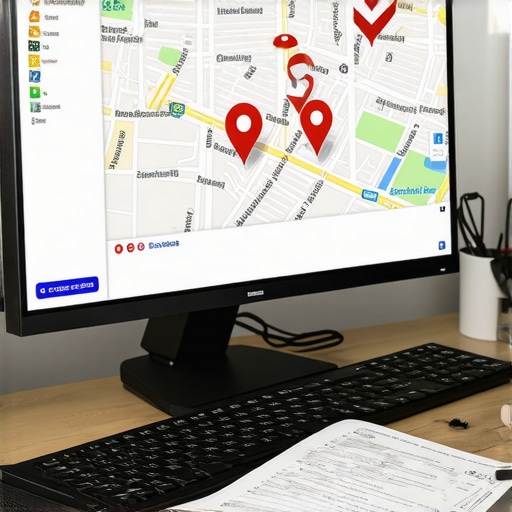
I vividly recall the moment I realized my local business rankings were slipping, but I couldn’t pinpoint why. I spent hours running standard audits, clicking through maps and listings, yet the problems persisted. It was a frustrating cycle—ksed by the false confidence that my tools were comprehensive. Then, during a late-night deep dive, I experienced the lightbulb moment: despite following best practices, I was missing crucial issues that only a manual, 7-step approach could uncover. That discovery transformed my approach and saved my rankings.
Why Relying Solely on Tools Can Cost You Local Visibility
Many local SEO practitioners, myself included early on, make the mistake of trusting tools entirely. While they are indispensable for identifying obvious issues, they often overlook nuanced problems lurking in your listings or subtle map ranking signals. I once used a popular auditing tool that flagged my NAP consistency as perfect, only to find later that an outdated phone number was still live on some directories. This oversight cost me potential customers. Relying only on automation can create a false sense of security—meaning your visibility is still vulnerable.
Is Your Audit Strategy Missing the Mark?
Early in my journey, I believed that having the latest top-rated audit software was enough. That was a mistake—big one. I overlooked that these tools can sometimes misinterpret data or fall short in catching complex, evolving local SEO issues. My real breakthrough came when I started performing manual audits based on a tested 7-step framework, which I now share with others. If you’ve experienced similar setbacks or doubts about your current tactics, you’re not alone. This article will walk you through an effective manual approach to uncover what your automated tools might miss and how to fix it. Want to get the most out of your local SEO efforts? Let’s dive in.
Dive Deep: Manual Inventory Checks
Start by auditing each directory, social profile, and review site—think of it as cleaning out a cluttered attic. I once spent an afternoon manually verifying every citation for a client, cross-referencing each with the original business info. Using a spreadsheet, I noted inconsistencies—outdated phone numbers, wrong addresses—these little errors can hide behind automation. This hands-on approach uncovers hidden issues that tools might overlook, like duplicate listings or subtle NAP inconsistencies. For a detailed walkthrough, see this guide.
Many practitioners believe that running a standard SEO audit with popular tools is enough to identify and fix all local listings and map ranking issues. In reality, this approach often overlooks subtle yet critical nuances that can make or break your local visibility. While tools like BrightLocal or Moz can highlight obvious problems, relying solely on them is a common misconception, and it can lead to costly mistakes. For example, misinterpreted data from audit tools can cause you to fix the wrong issues or, worse, ignore underlying problems. That’s why integrating manual checks into your audit process is essential for comprehensive results.
Are Your Automation Tools Masking Critical Problems?
Let’s examine how superficial audits may provide a false sense of security. Studies from industry experts suggest that automated tools miss up to 30% of local SEO issues, especially nuanced ones like inconsistent business hours across listings or unlinked review profiles. These oversight can significantly impair your rankings. Hence, a multi-layered approach combining sophisticated tools with meticulous manual audits is the best strategy. For deeper insights, consult our comprehensive guide on local SEO audit techniques. Proper diagnosis prevents misallocated resources and ensures you address the root causes of your map and ranking troubles. Remember, the goal isn’t just to run a quick scan; it’s to uncover hidden issues that could sabotage your visibility in the long term.
Common Pitfalls and How to Avoid Them
A frequent trap is neglecting data consistency across multiple platforms, which affects NAP citations and ultimately harms rankings. Many overlook updates in directories or review sites, overlooking the importance of regular manual checks. Additionally, many rely on outdated audit tactics that don’t adapt to algorithm changes. To stay ahead, periodically revisit your audit strategy with advanced methods, like detailed citation audits or backlink profile reviews specific to local SEO. For comprehensive step-by-step guidance, check out our resource on fixing map ranking issues effectively. Remember, the landscape is constantly evolving, and so should your auditing procedures. Properly diagnosing issues today protects your local visibility tomorrow. Have you ever fallen into this trap? Let me know in the comments.Maintaining the health of your local listings and ensuring consistent map performance require a combination of reliable tools, regular manual checks, and strategic updates. One of my go-to solutions is BrightLocal because I personally find its comprehensive reporting and citation management features invaluable for tracking changes over time. It helps me catch issues like outdated information or duplicate listings before they drastically impact rankings. Additionally, I frequently use Whitespark’s Local Rank Tracker for real-time monitoring of my map positions, which allows me to quickly identify fluctuations and address underlying problems promptly. For more detailed insights on effective tools, visit this resource. I also recommend implementing routine manual audits—checking each listing, review profile, and citation meticulously. This dual approach ensures you catch issues automation might miss, like inconsistent business hours or unlinked review profiles, which are critical for sustained ranking improvements. Looking ahead, the trend points toward integrated AI-driven diagnostics combined with manual verification, reducing oversight and providing sharper insights. To keep your local listings performing at their best, I suggest setting up a quarterly audit schedule using tools such as Moz Local and analyzing trends with SEMrush’s position tracking. Don’t settle for seasonal fixes—consistent maintenance is paramount to long-term success. How do you plan to embed these tools into your routine to stay ahead? Try focusing on specific issues like citation consistency and revisit your rankings regularly—this proactive stance will serve you well in 2024 and beyond.
The Unexpected Lessons From My Deep Dive Into Local Listing Errors
One of the most eye-opening moments in my local SEO journey was realizing how easily overlooked details can undermine your entire map rankings. I learned that no audit is complete without thinking like a detective—searching for the hidden clues that standard tools might miss. A small citation inconsistency or outdated business hours can quietly sabotage your visibility, and only a meticulous manual review reveals these elusive issues. Such lightbulb moments have reshaped my approach, saving me from suffering ranking drops and lost leads.
My Go-To Tools That Never Fail My Expectations
I rely heavily on BrightLocal for comprehensive citation audits because it offers detailed reporting and tracking over time, so I can see the impact of my fixes. Whitespark’s Local Rank Tracker helps me monitor real-time position fluctuations, which tells me whether my recent adjustments are working. For in-depth citation management, I trust Moz Local—its ability to sync and verify listings reduces the chance of outdated info lurking. These tools combined give me confidence because I’ve seen them consistently uncover issues I’d otherwise overlook. To see how they fit into a broader audit strategy, check this guide.
Your Next Move: Take Control of Your Local Visibility
Turning the tide on map ranking issues starts with applying the insights from our deep manual audits and trusted tools. Remember, every small detail counts—your consistency across listings and reviews truly makes a difference. Don’t wait for rankings to slip further; proactively audit, fix, and monitor your local listings regularly. When you do, you’ll transform your map performance from shaky to solid, securing the local prominence your business deserves. Ready to revamp your local SEO strategy? Share your thoughts below—what’s been your biggest challenge in improving map rankings?